01
Begin with the stone
Identity, actual dimensions, weight, outline, girdle, and depth establish the project brief.
Series 04 · The Craft of Precision
A disciplined study of the solitaire, where stone identity, proportion, setting geometry, and finish are resolved as one precise silhouette.
The Craft of Precision
A solitaire leaves every proportion visible. NOVA develops the stone, setting, band, and finished profile as one precise, repeatable system.
Identity, actual dimensions, weight, outline, girdle, and depth establish the project brief.
Setting height, head scale, band width, and shoulder transition are resolved together in CAD and sampling.
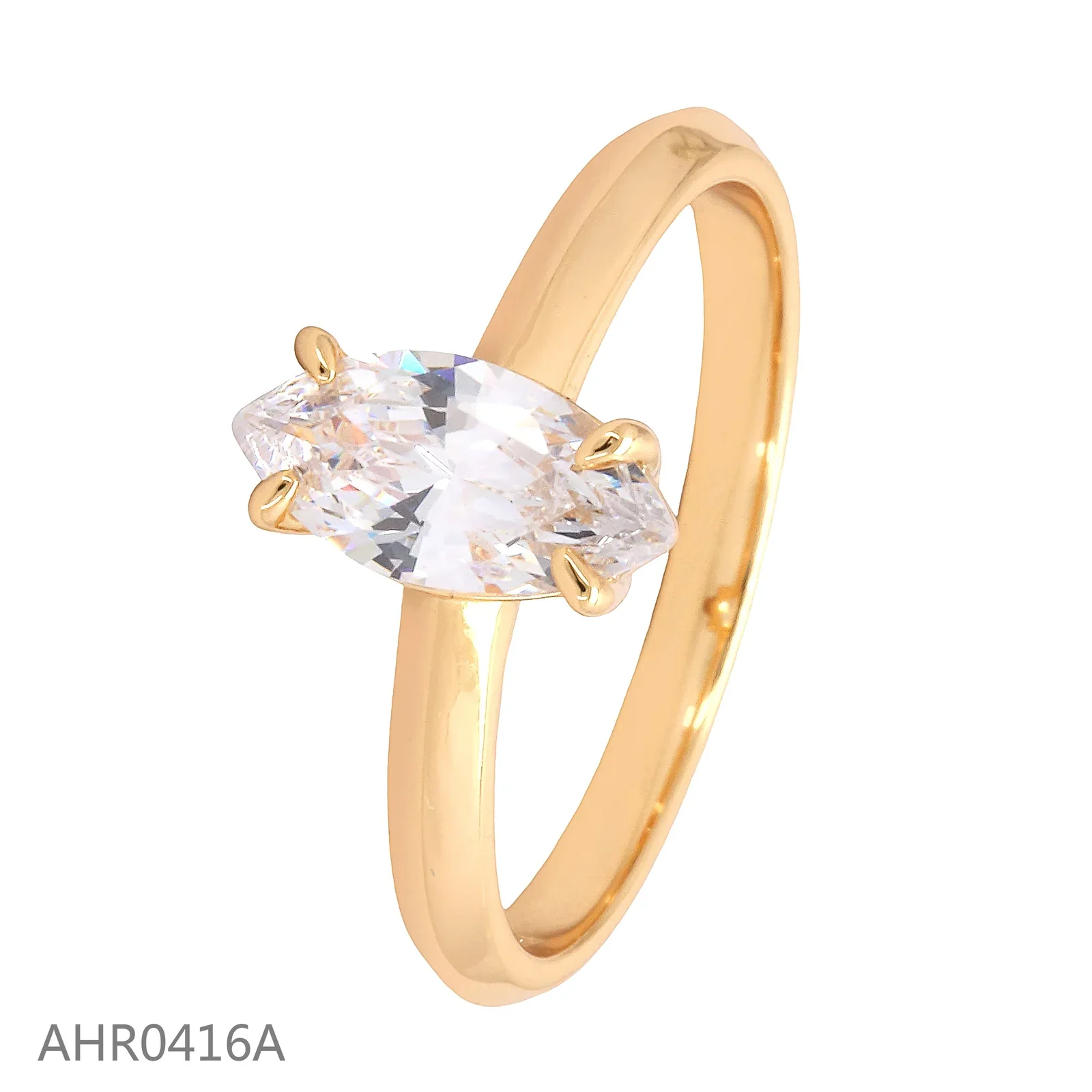
Centre, level, contact, symmetry, clearance, and finish become clear production checks.
NOVA Public Edit
Nineteen NOVA styles carry a precise solitaire language across necklaces and rings. For your project, stone identity, material, dimensions, and finish are confirmed separately.
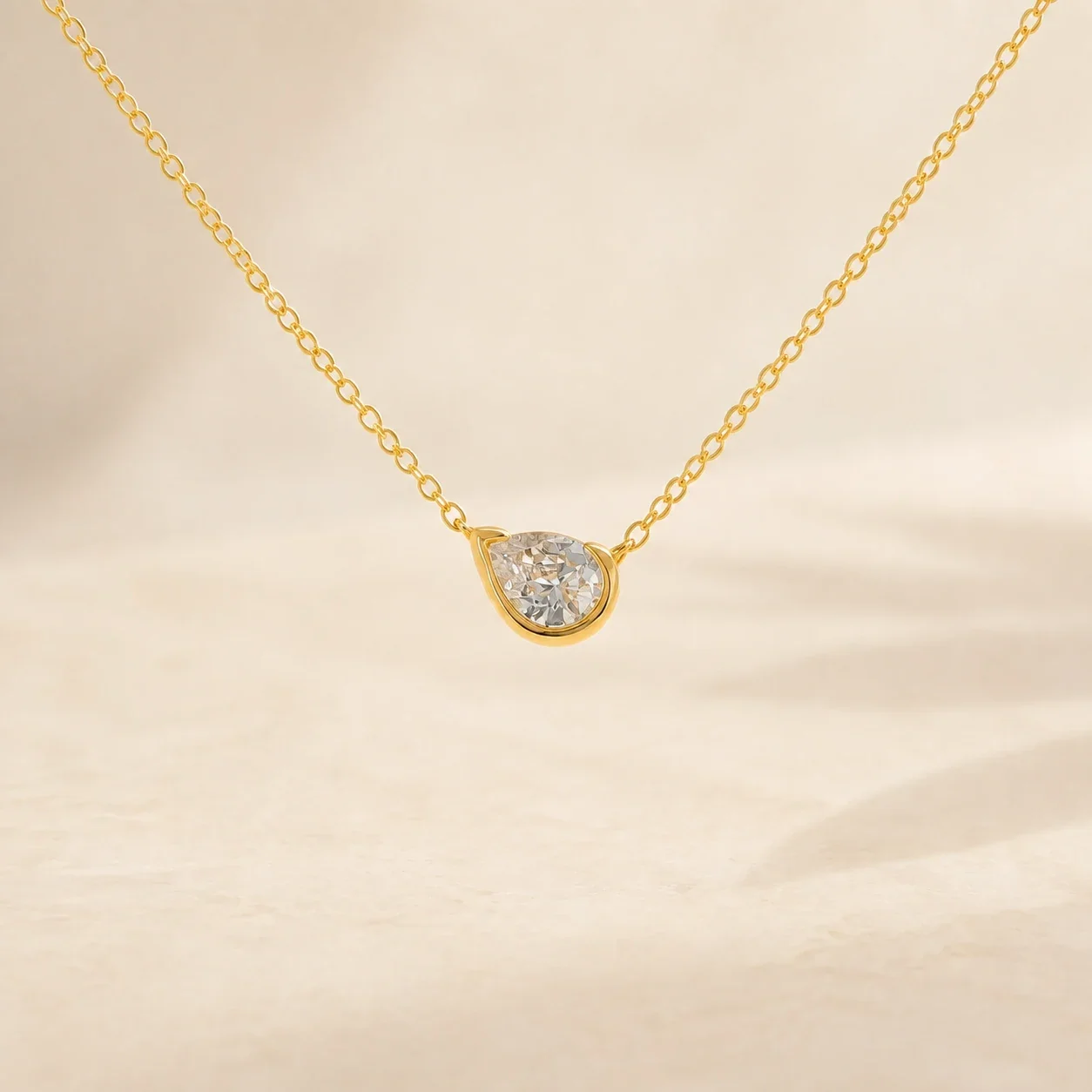
A single focal stone carried on a restrained chain, with scale and setting profile doing the visual work.
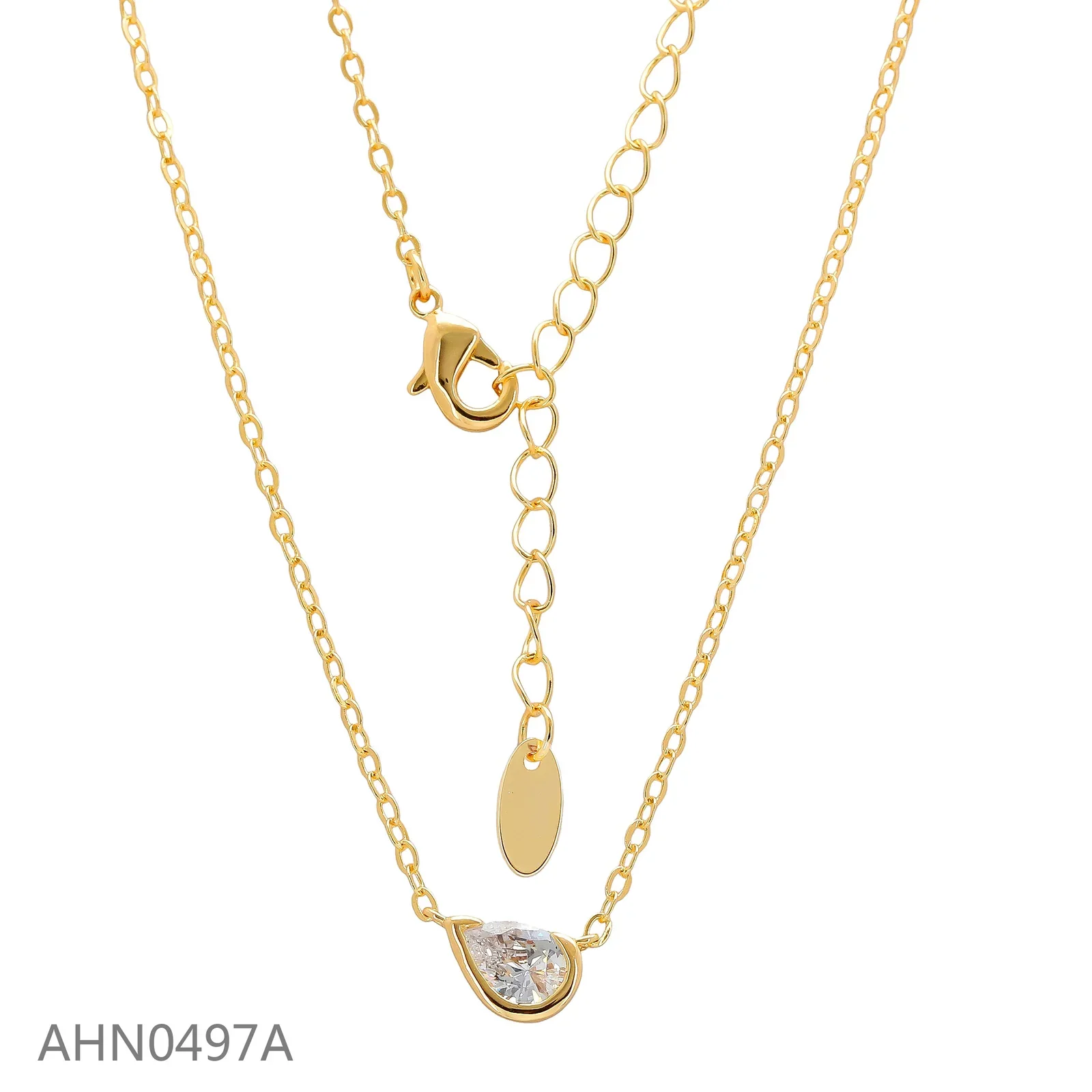
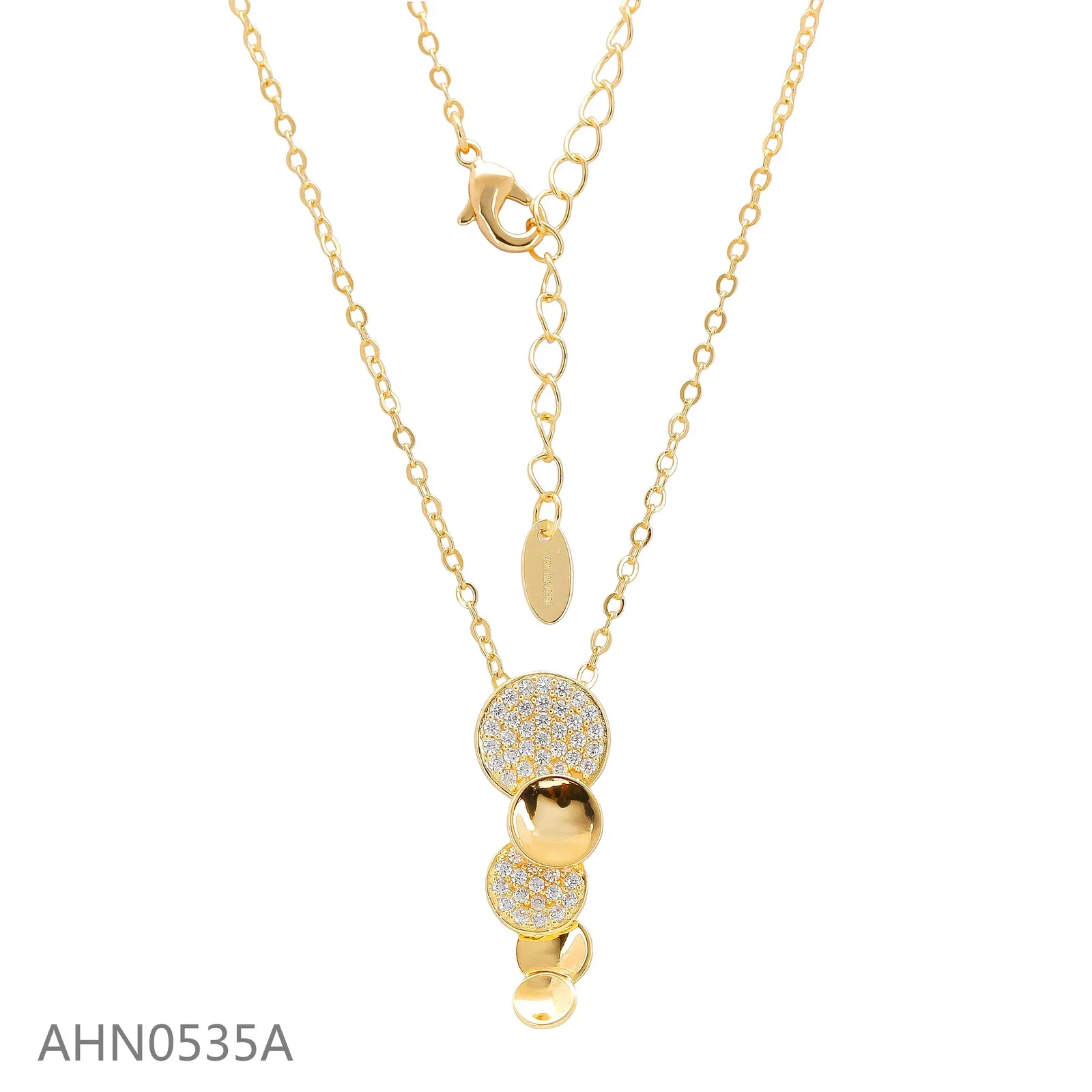
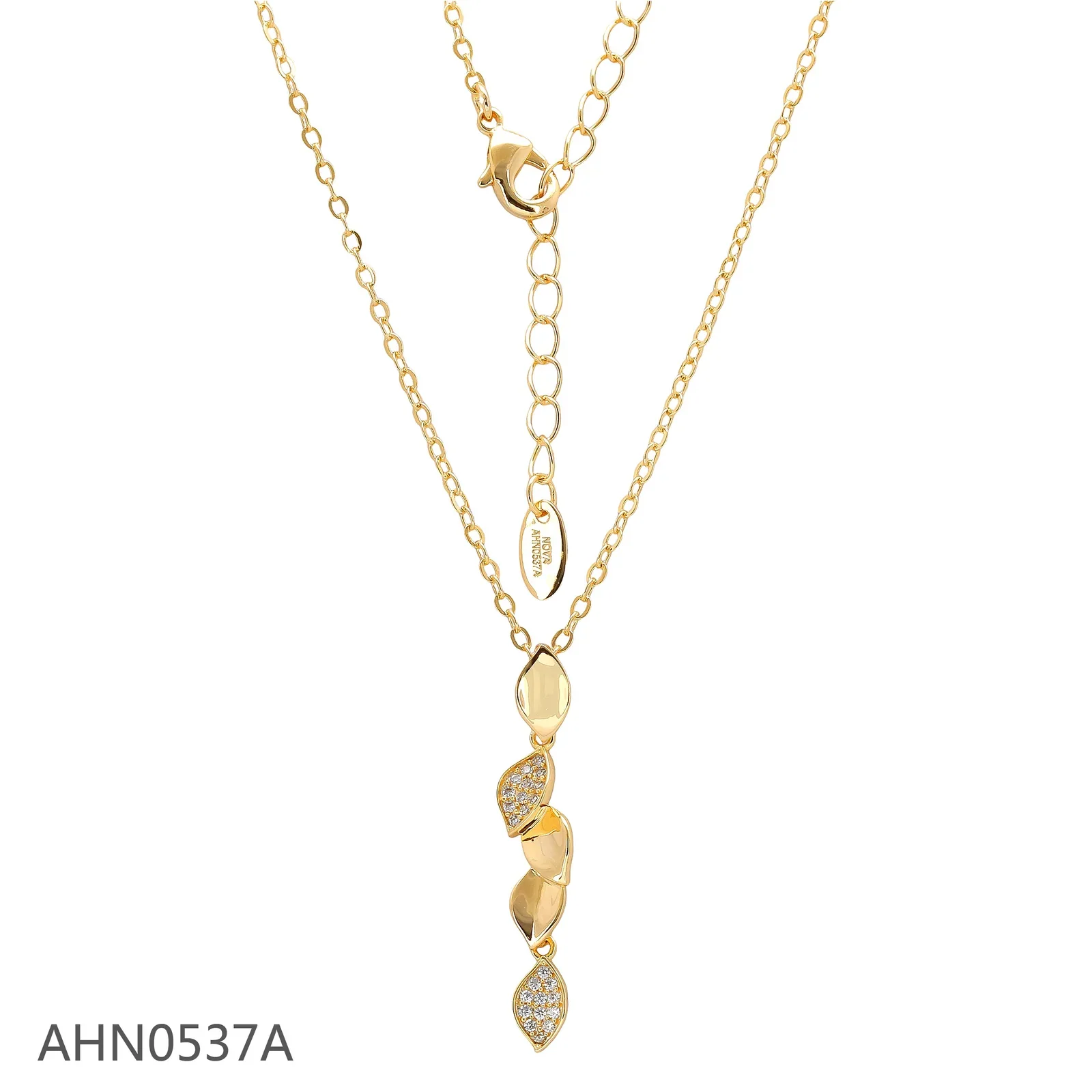
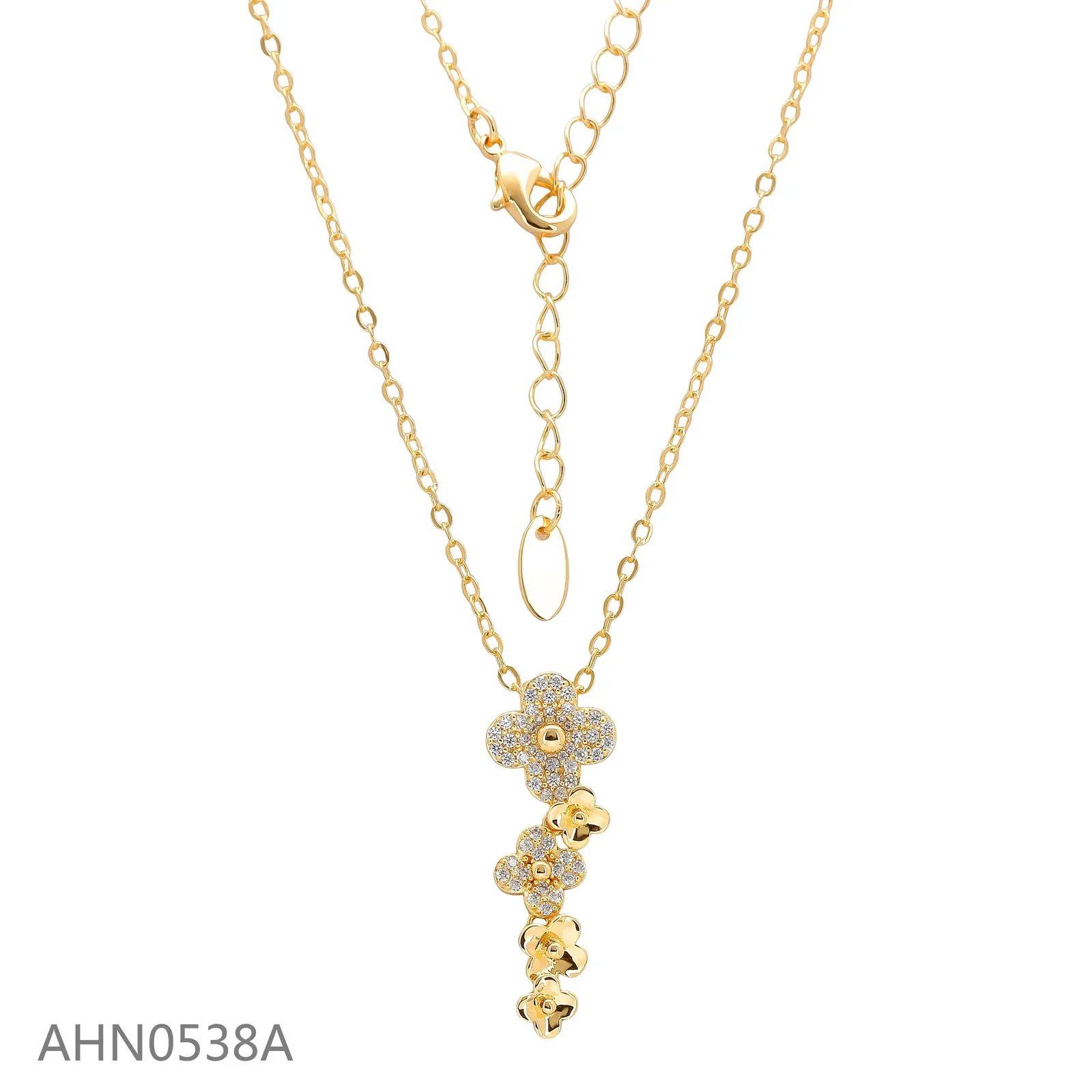
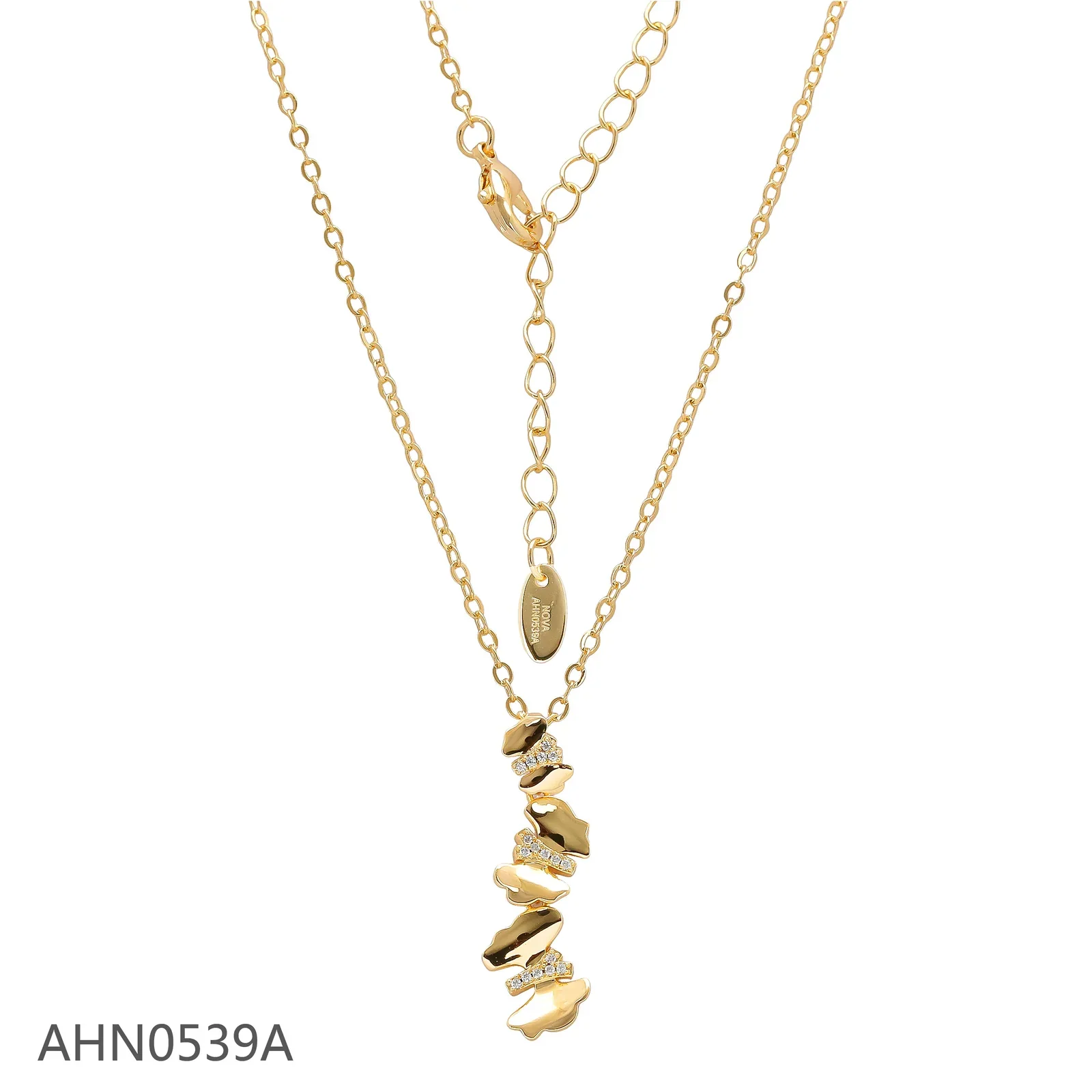
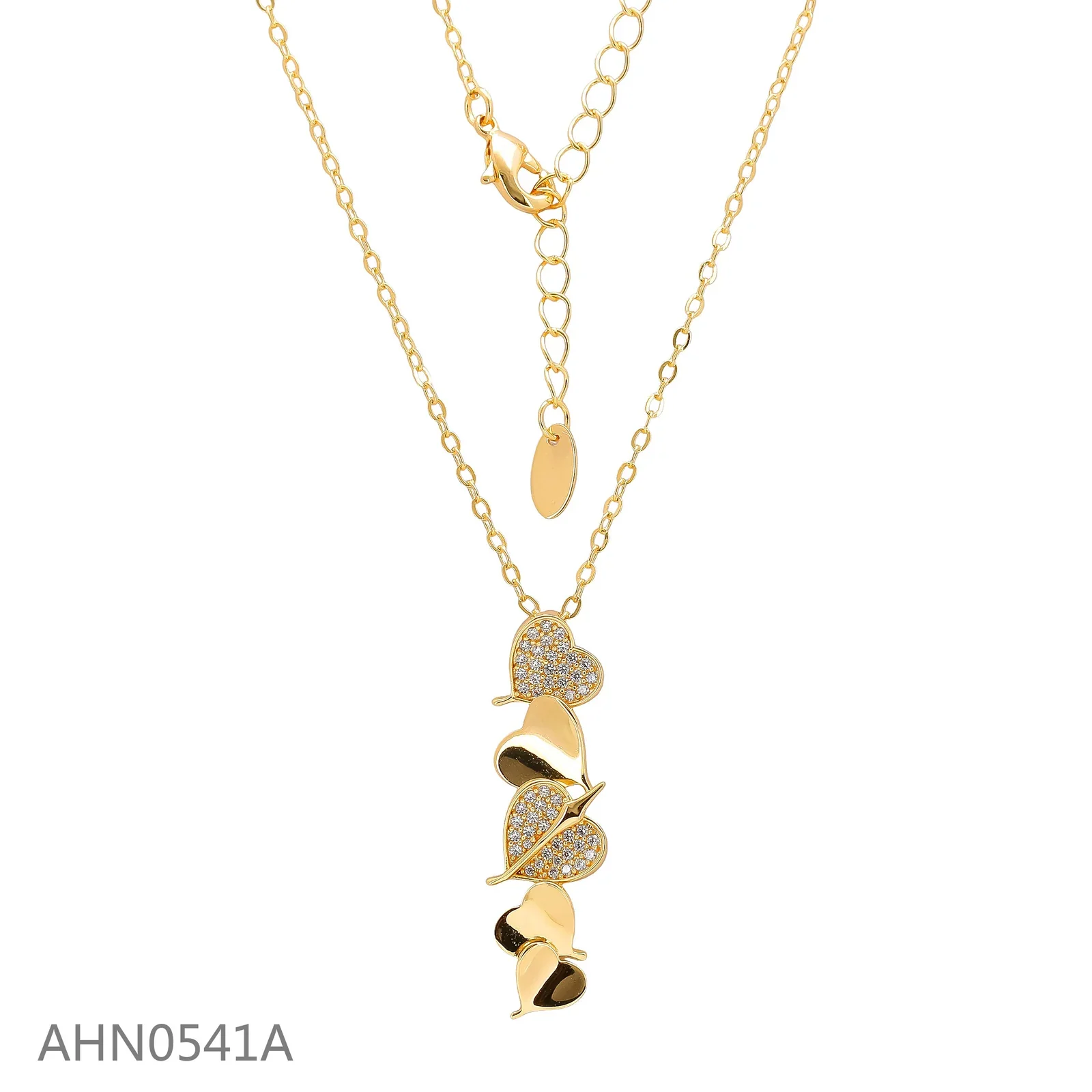
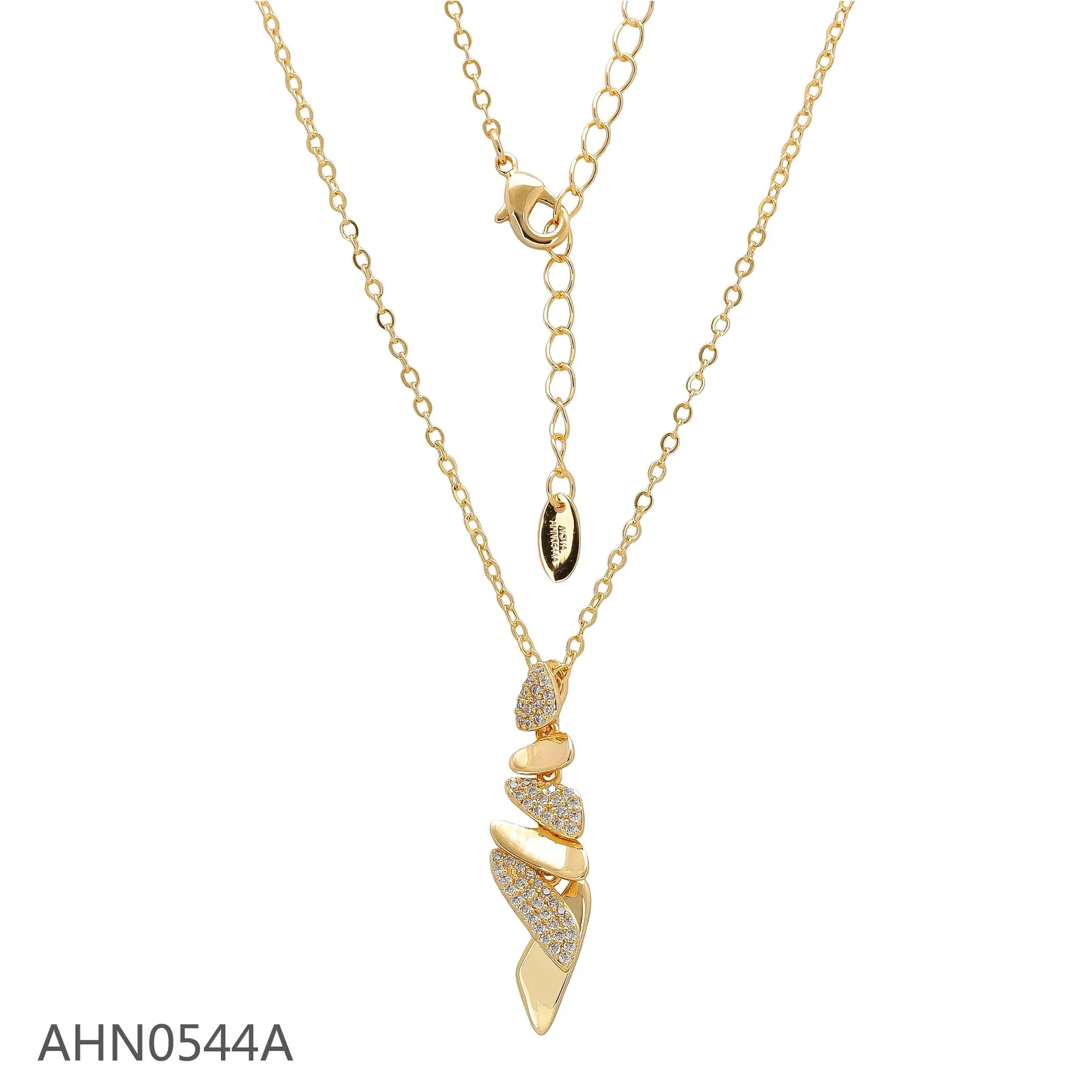
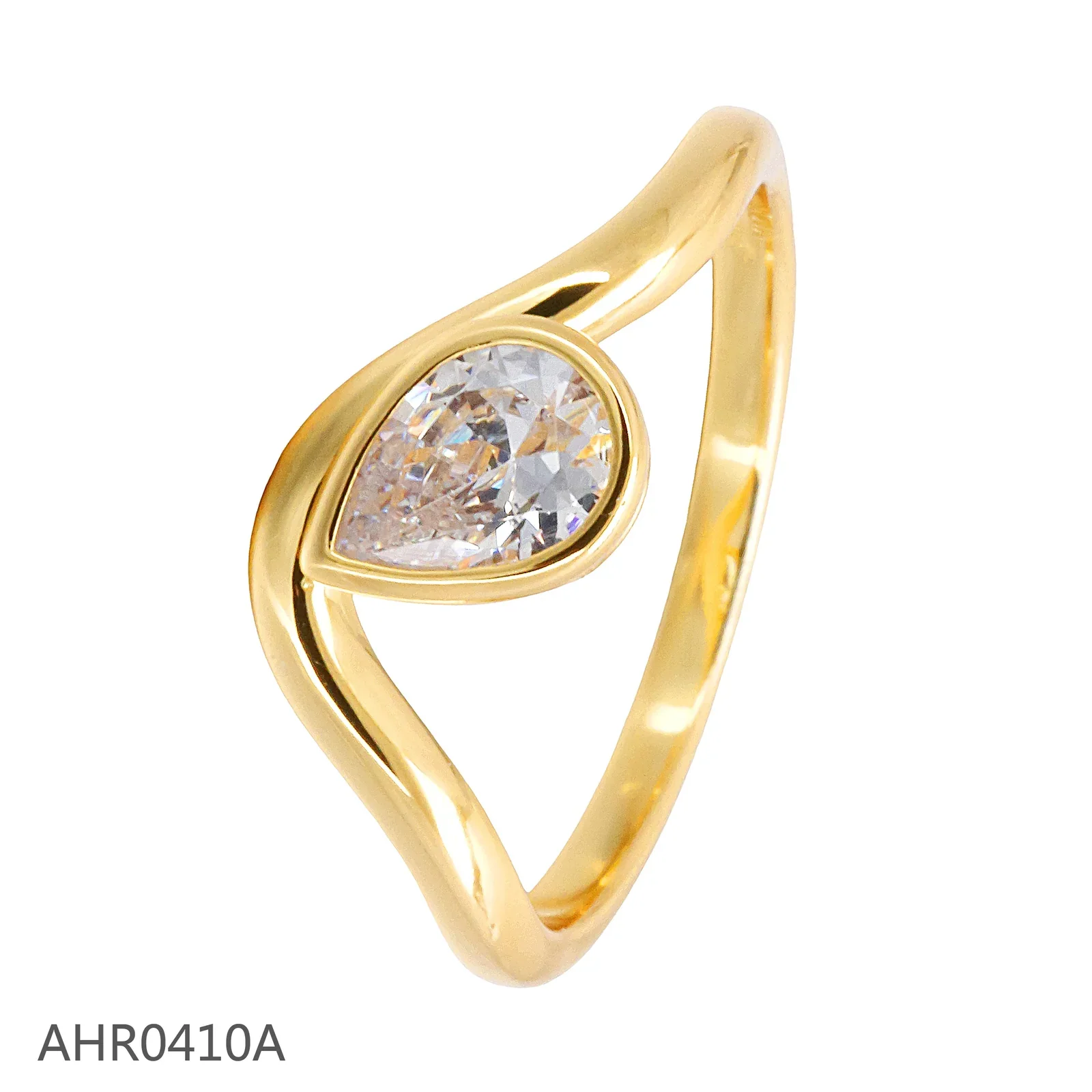
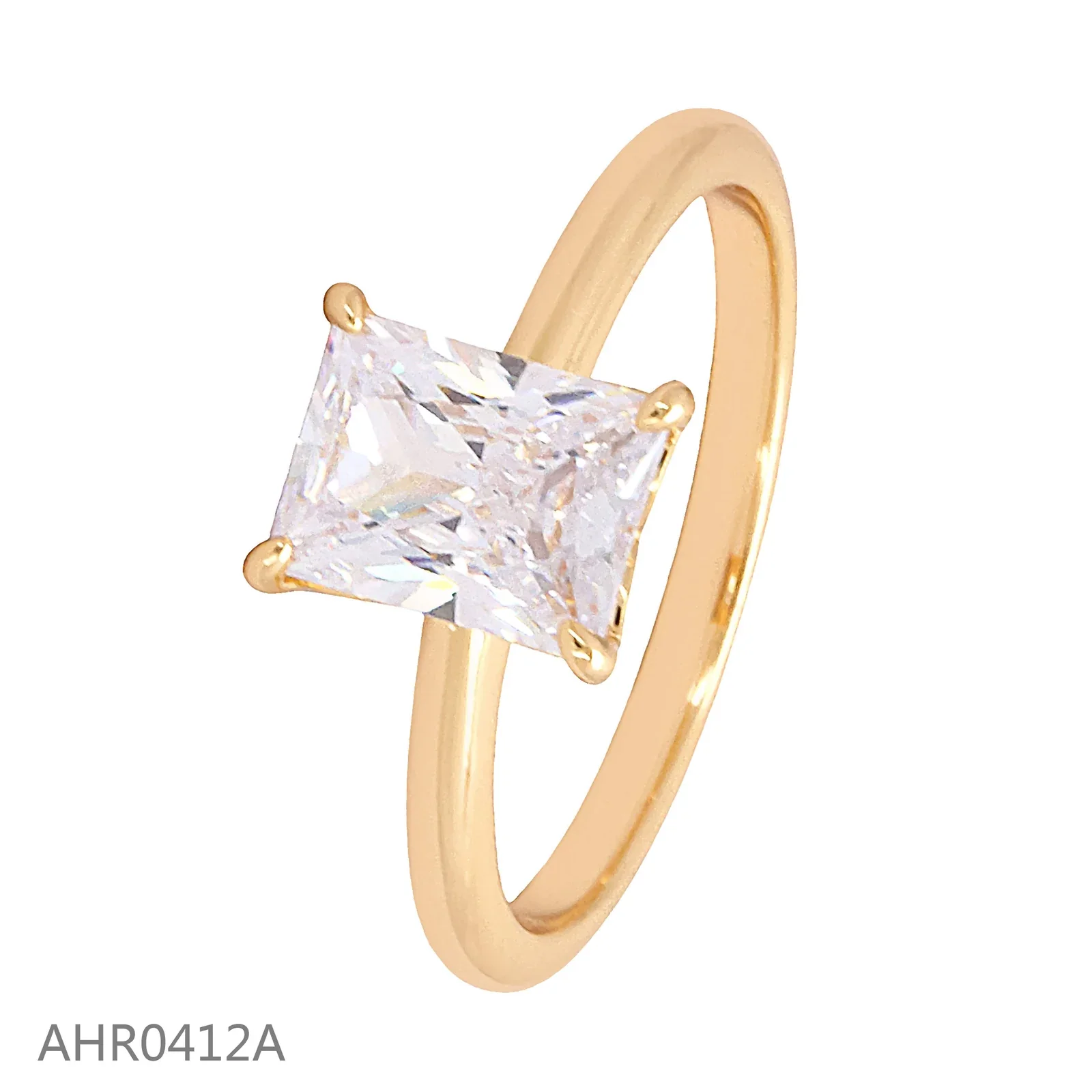
Four rings explore stronger shoulders and elevated heads without losing the clarity of a single-stone composition.
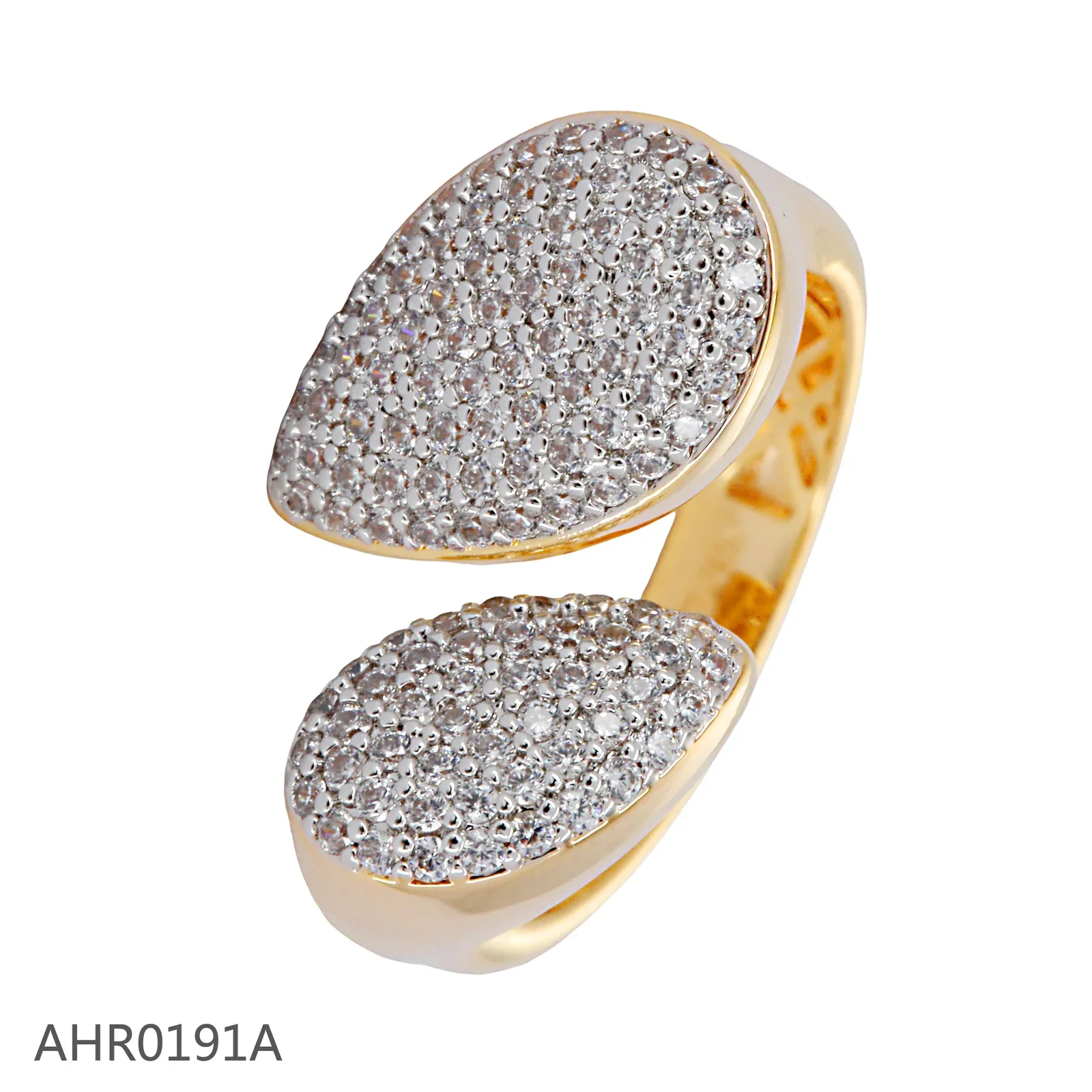
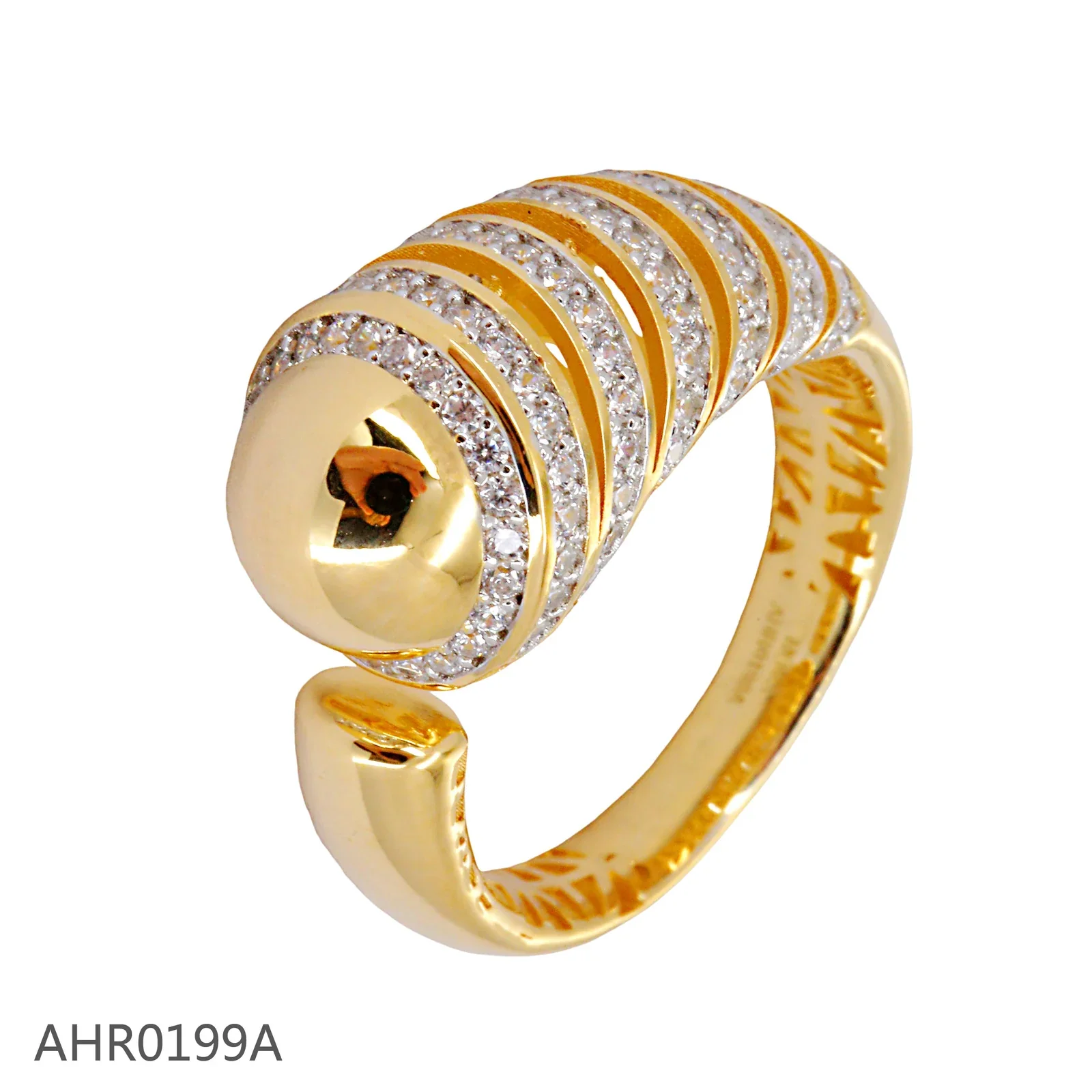
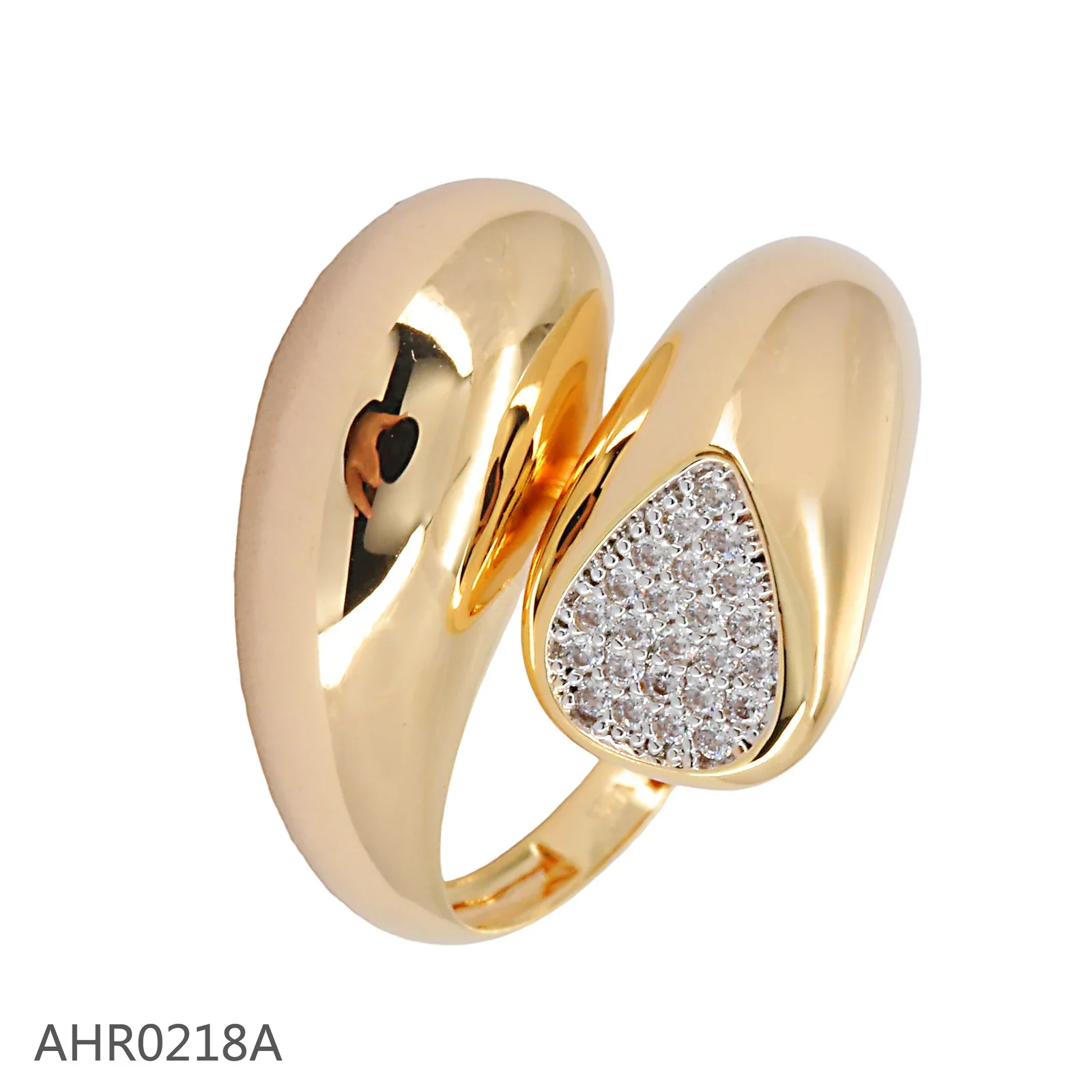
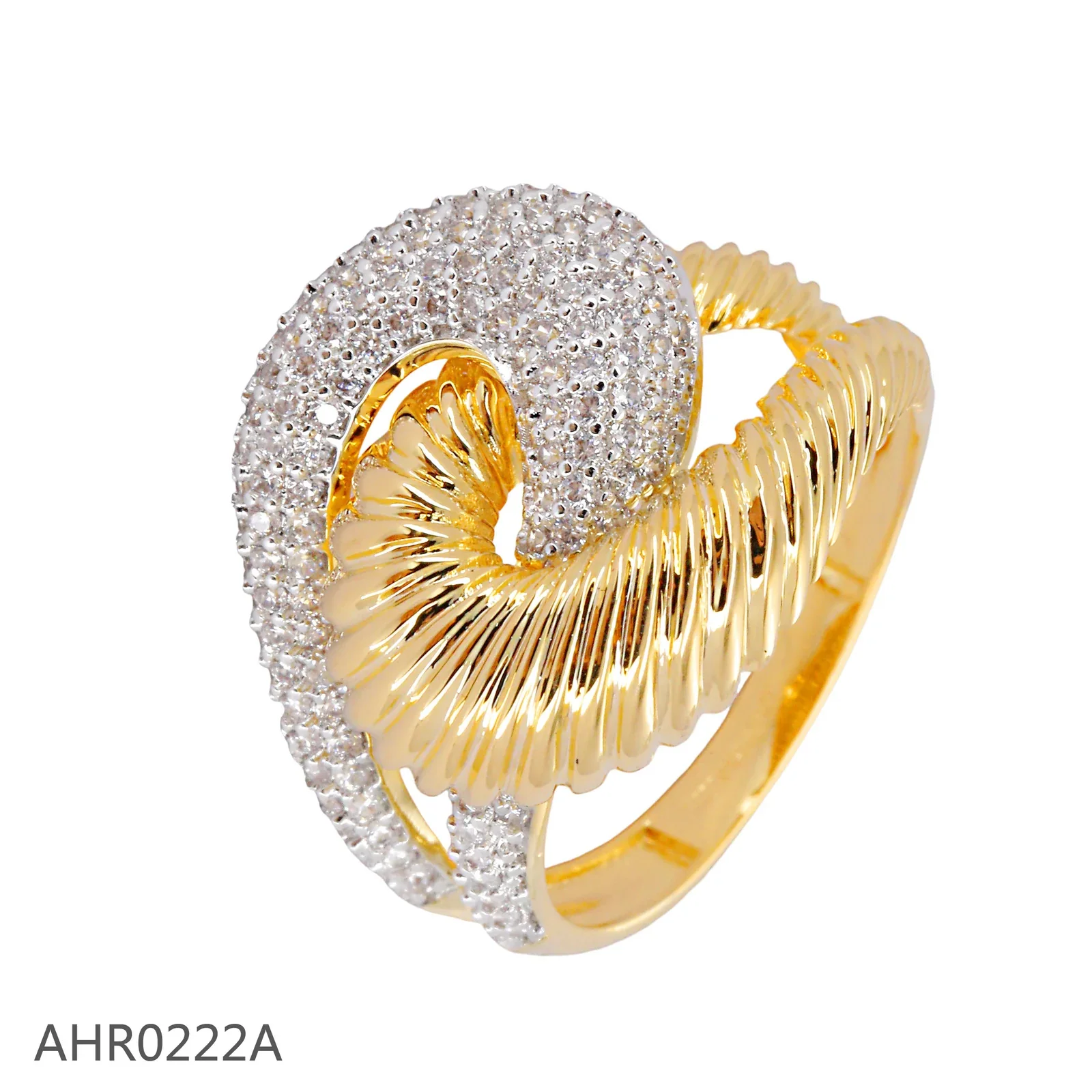
Round, oval, pear, emerald, cushion, radiant, and square outlines reveal how the setting must respond to each stone rather than force one standard solution.
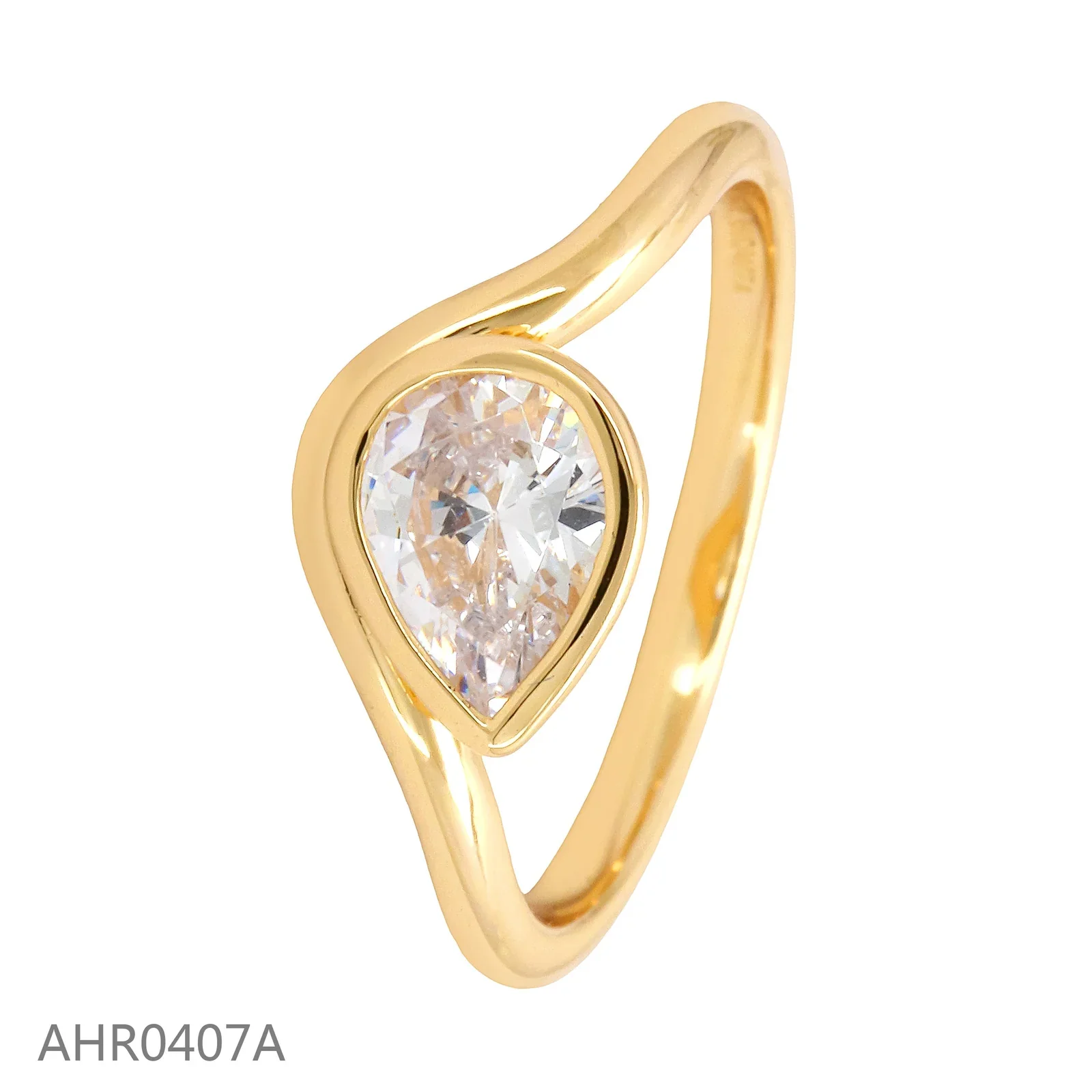
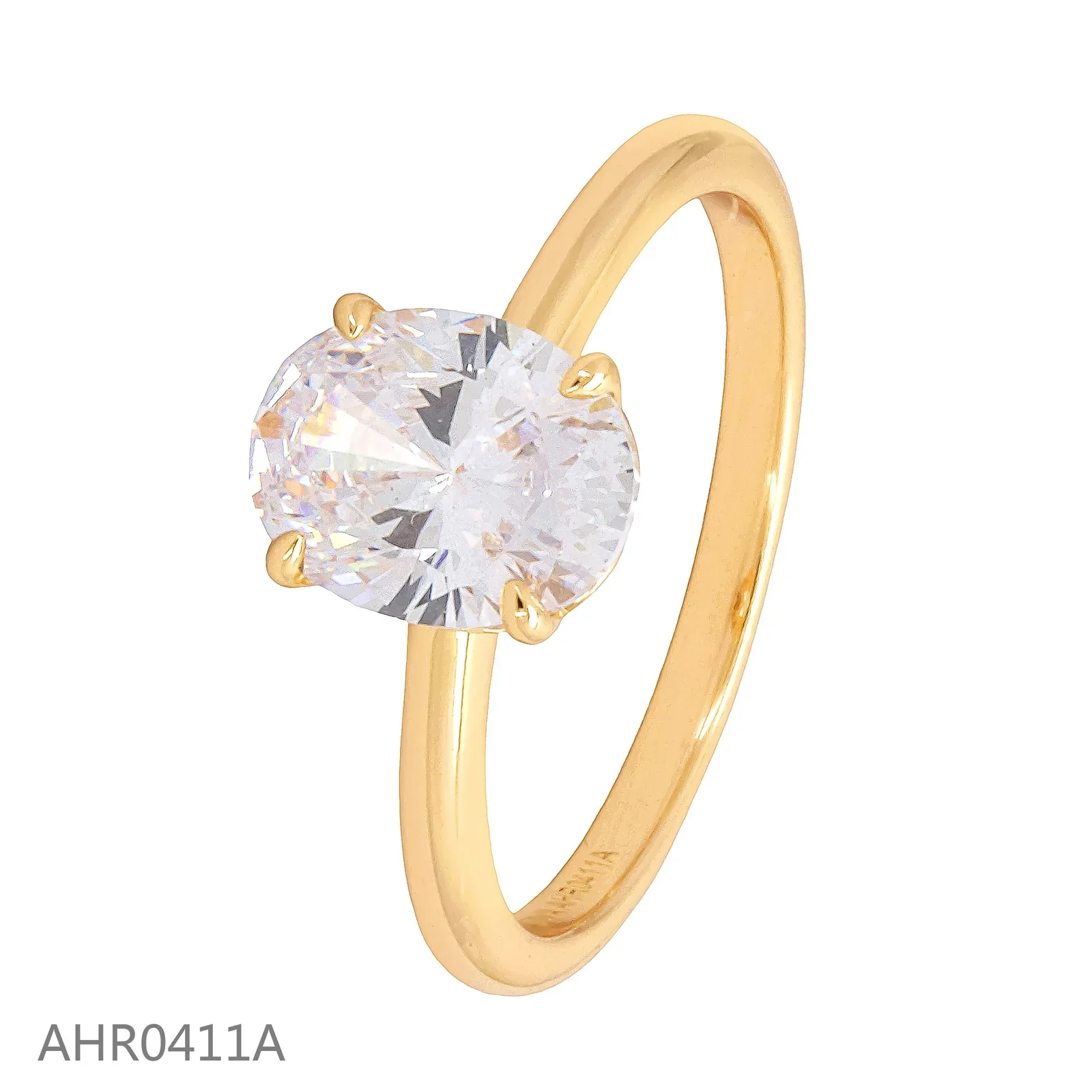
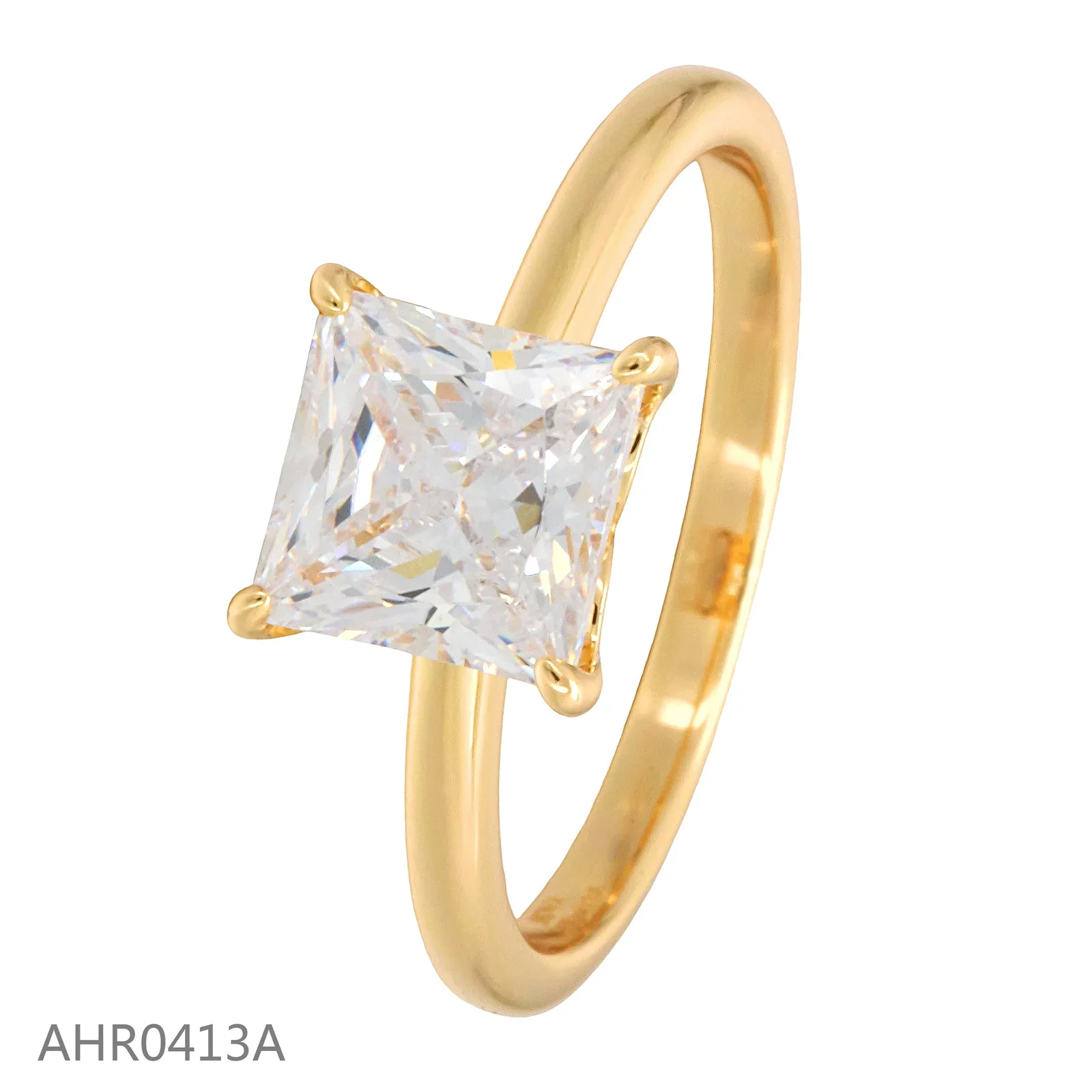
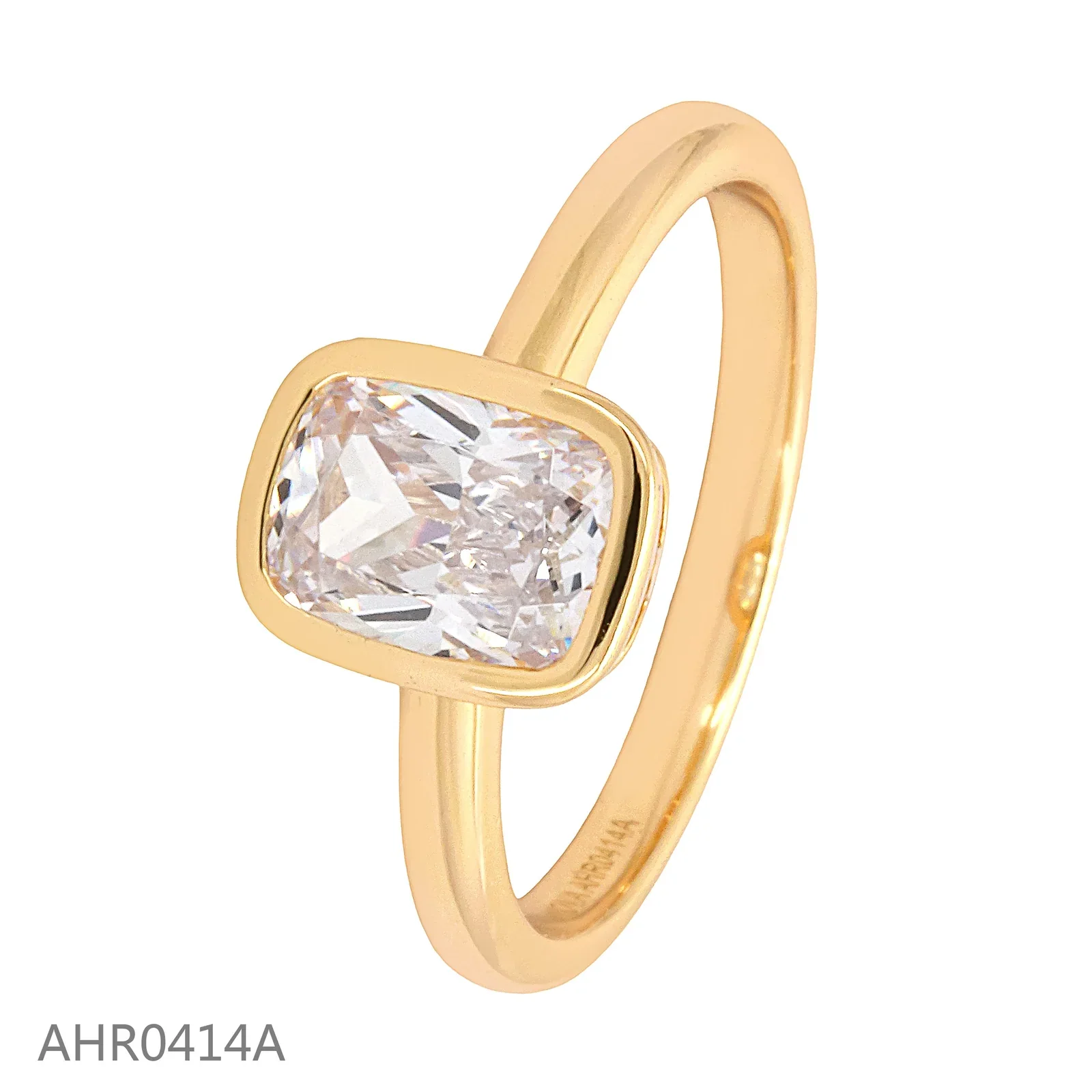
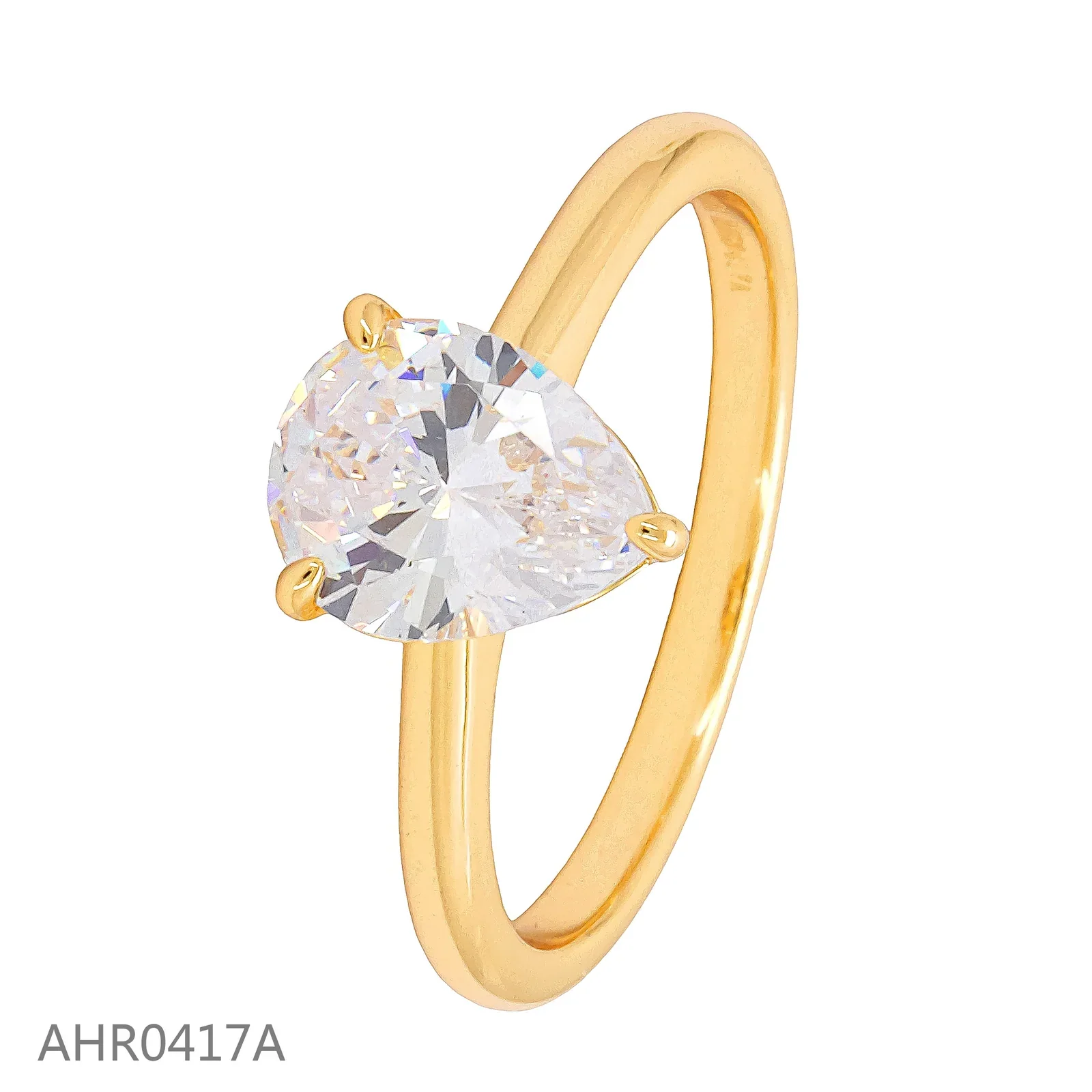
Custom Development Brief
These products show NOVA’s established design direction. For your project, the stone, material, dimensions, setting, and approval standards are recorded separately.
| Supporting visual | Decision area | Direction to record | What NOVA develops | Approval point |
|---|---|---|---|---|
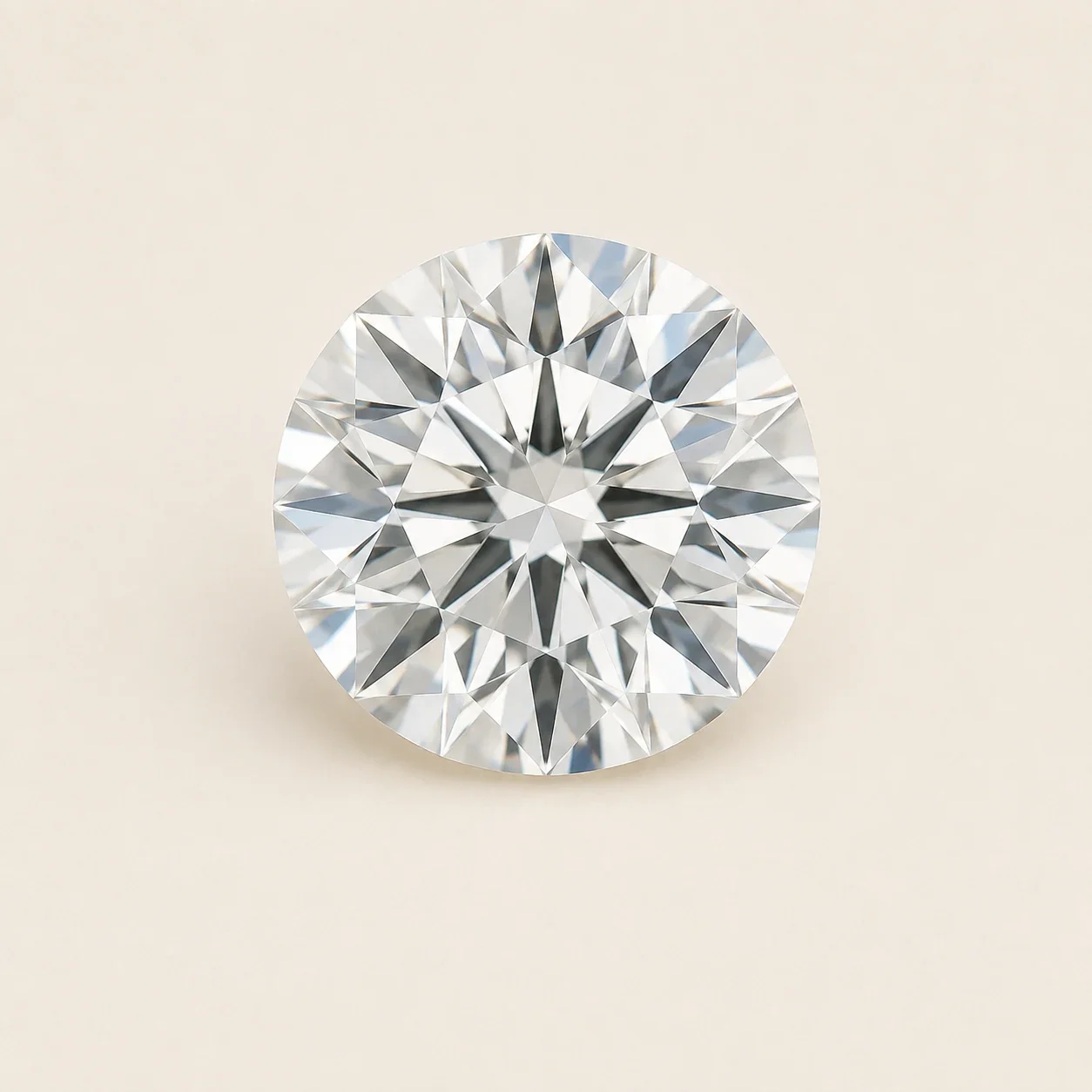 | Centre-stone identity | Natural diamond, laboratory-grown diamond, moissanite, cubic zirconia, or a named coloured stone | Use the exact material identity and the agreed supplier or laboratory record | Description, invoice, inscription, and report must agree where applicable |
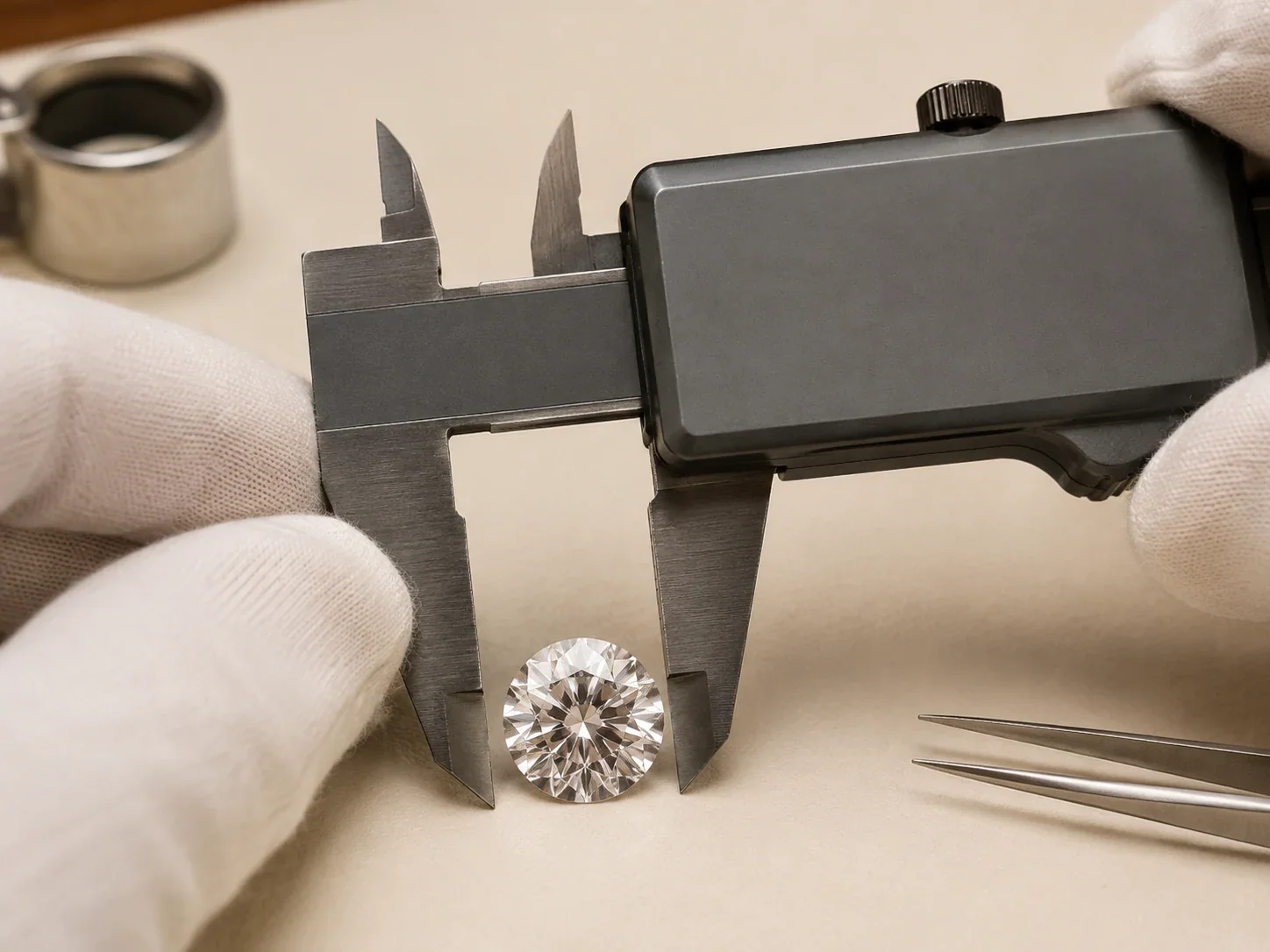 | Physical dimensions | Minimum × maximum × depth for round stones; length × width × depth for fancy shapes | Build the seat, head, clearance, and surrounding proportions around the actual measurements | Measurements are recorded before CAD and checked again against the production stone |
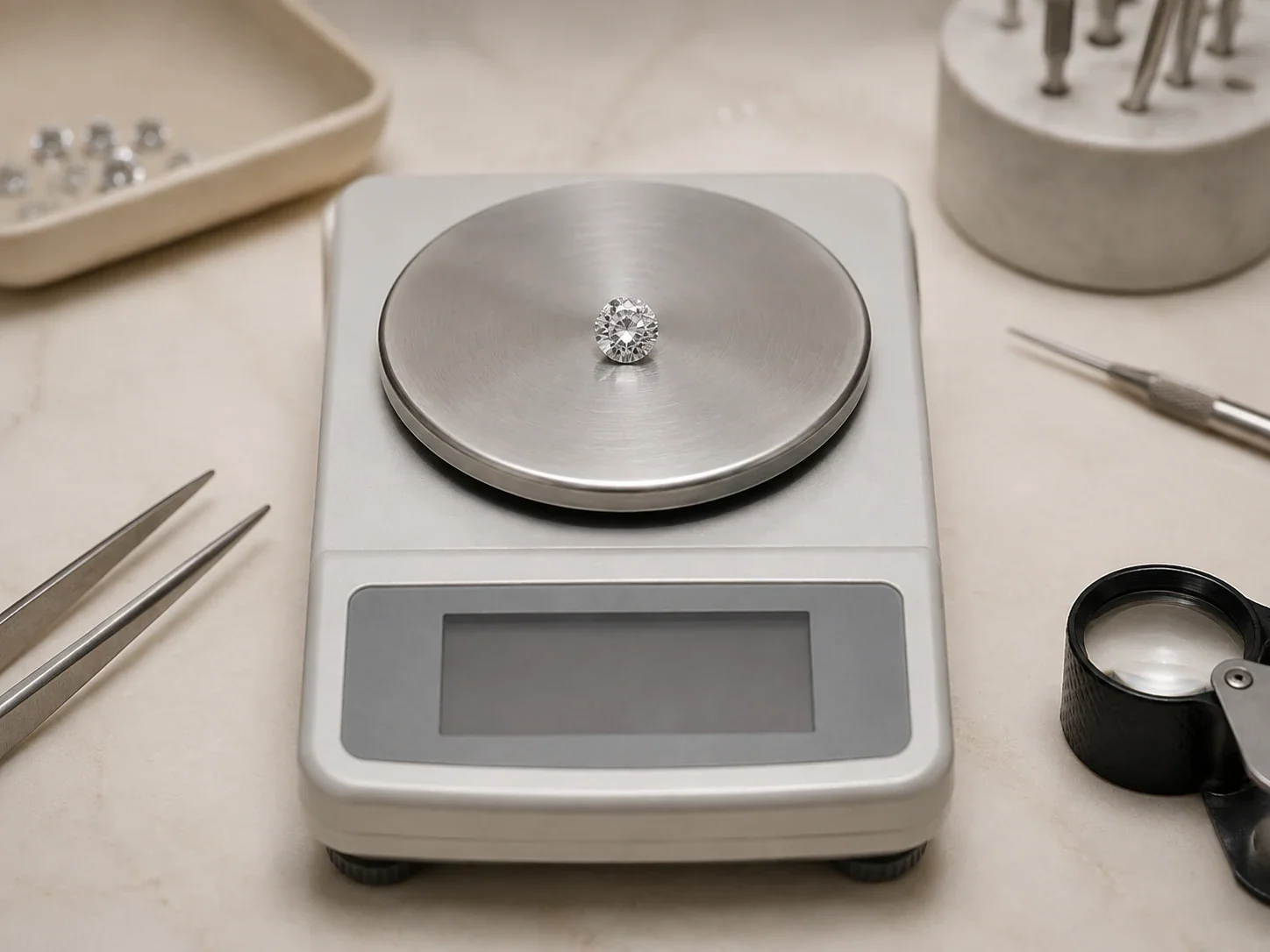 | Carat weight | Actual weight for the individual stone or an agreed calibrated range | Treat weight and visible spread as separate controls; one carat equals 200 milligrams | Weight record and millimetre dimensions are both retained |
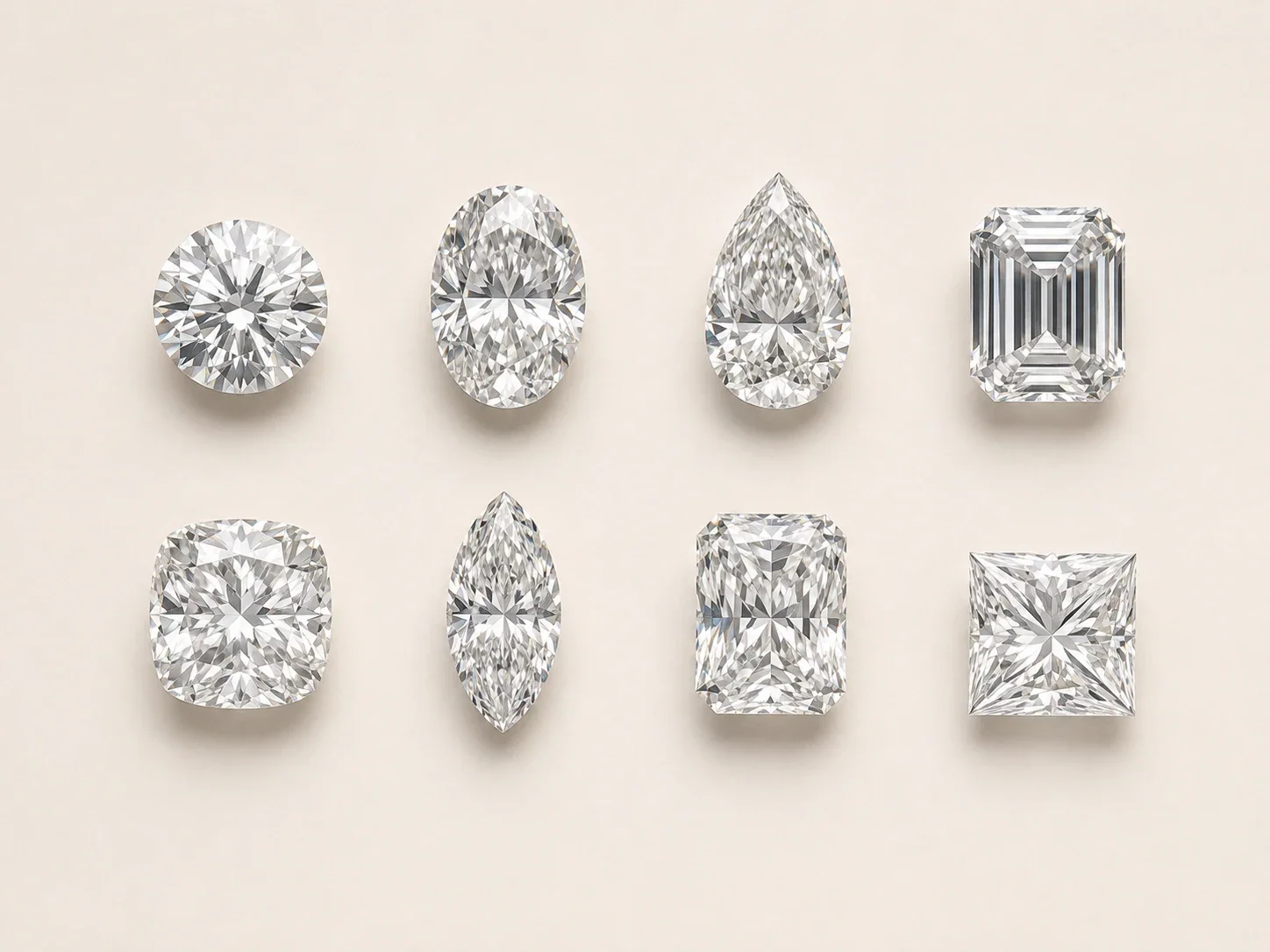 | Shape & ratio | Round, oval, pear, emerald, cushion, marquise, radiant, or square, with length-to-width ratio where relevant | Respond to the outline, corners, girdle, depth, and visual symmetry of the selected stone | Shape, ratio, orientation, and stone-specific CAD are approved together |
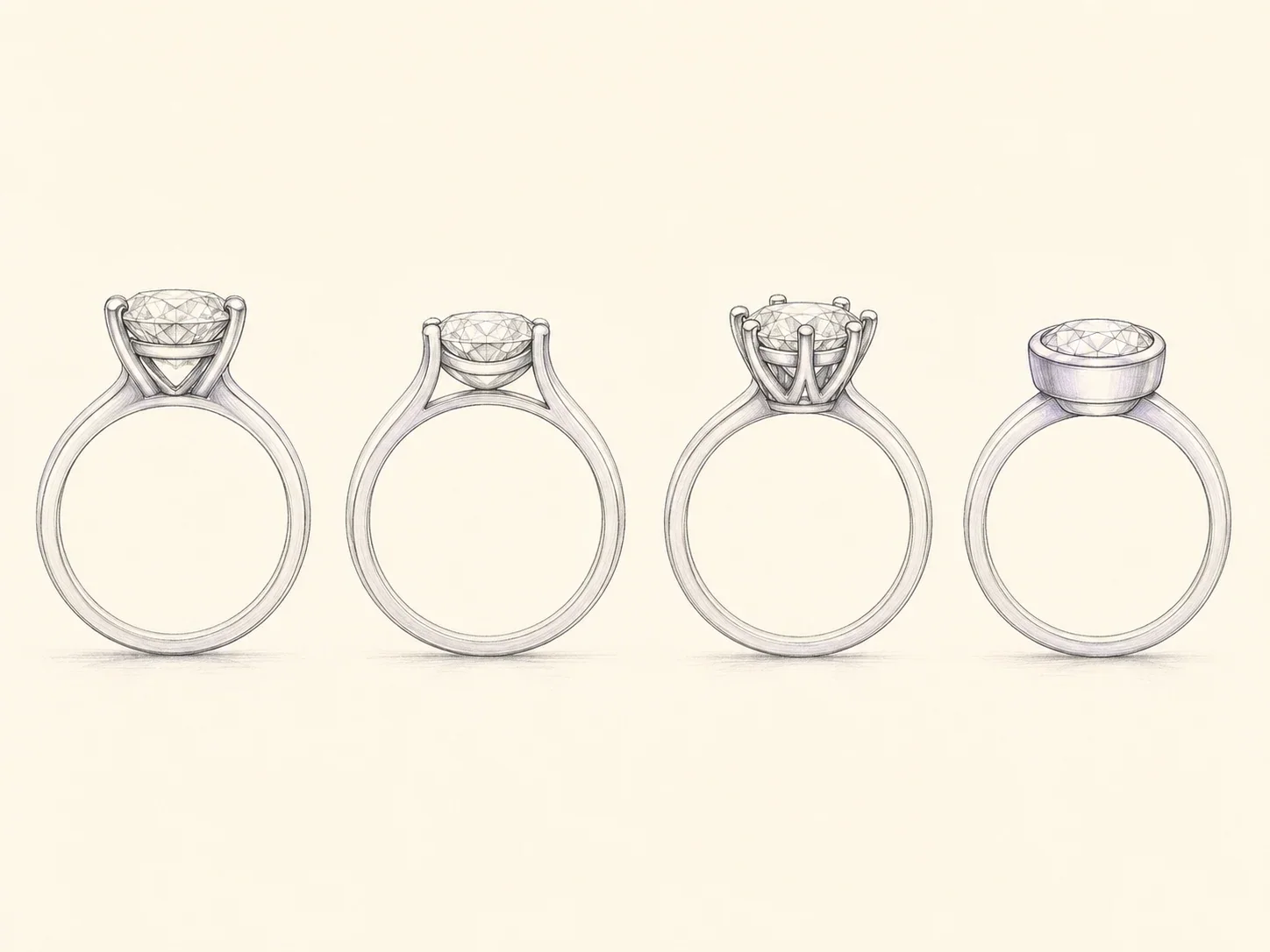 | Setting profile | Prong count and style, basket or cathedral structure, bezel coverage, and finished height | Balance light entry, protection, clearance, comfort, and the intended silhouette | Side elevation and stone contact geometry are signed off in CAD and sample |
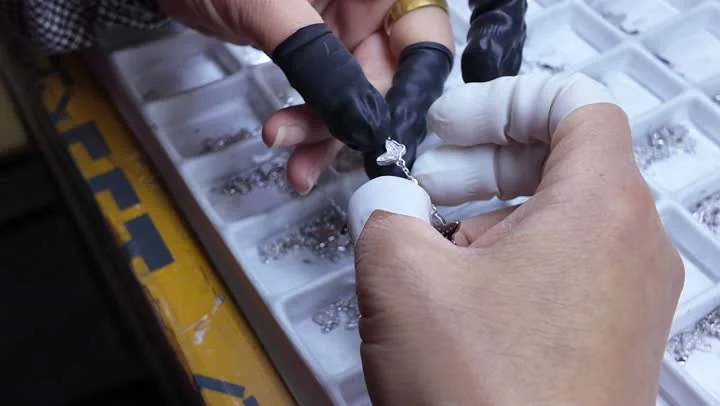 | Precision check | Centring, level, contact, symmetry, girdle coverage, clearance, and surface finish | Translate the approved appearance into repeatable bench checks | First sample is reviewed under agreed lighting and inspection conditions |
Round Diamond Planning Guide
Carat records weight, not face-up diameter. These round-brilliant ranges guide early proportion studies; actual stone measurements control CAD, setting, and approval.
| Relative visual | Nominal weight | Typical diameter | Design reading | Still confirm |
|---|---|---|---|---|
| 0.25 ct | About 4.0–4.2 mm | Delicate focal point | Actual diameter, depth, girdle, setting, and band proportion |
| 0.50 ct | About 5.0–5.2 mm | Compact everyday scale | Identity, measurements, setting height, and contact geometry |
| 0.75 ct | About 5.7–5.9 mm | Balanced mid-scale centre | Spread, depth, symmetry, clearance, and approved sample |
| 1.00 ct | About 6.3–6.5 mm | Recognisable one-carat reference | Actual carat and measurements; diameter alone does not establish weight |
| 1.50 ct | About 7.2–7.4 mm | Pronounced statement scale | Head support, gallery height, balance, clearance, and security |
| 2.00 ct | About 8.0–8.2 mm | Large focal scale | Stone-specific CAD, protection, proportion, and physical sample |
Material Identity Guide
These four materials can share a bright colourless appearance, but they are not interchangeable. Identity belongs in the written record—not in a visual guess.
| Material | What it is | What NOVA records | How NOVA presents it |
|---|---|---|---|
| Natural diamond | Diamond formed in nature | Carat, measurements, agreed quality details, and independent report when selected | Use “natural diamond” and the exact report or supplier description |
| Laboratory-grown diamond | Diamond produced by an HPHT or CVD growth process | Laboratory-grown identity, measurements, assessment/report when selected, treatment disclosure, and inscription data where present | Use “laboratory-grown diamond”; do not shorten the description to “diamond” alone |
| Moissanite | A silicon-carbide gem and diamond simulant; it is not diamond | Supplier reference, cut, dimensions, colour direction, matching standard, and approved physical master | Use “moissanite” and keep diamond terminology out of the specification |
| Cubic zirconia | A synthetic zirconium-dioxide diamond simulant | Exact CZ reference, cut, dimensions, colour direction, supplier specification, and approved master | Use “cubic zirconia” or “CZ” consistently across brief, sample, and invoice |
Craft in Production
NOVA connects stone intake, CAD, sampling, setting, and inspection around one approved reference so a precise silhouette can be repeated.
Record identity, shape, actual dimensions, weight, girdle, depth, and orientation.
Tune head, setting height, prong or bezel contact, band proportion, and clearance in CAD.
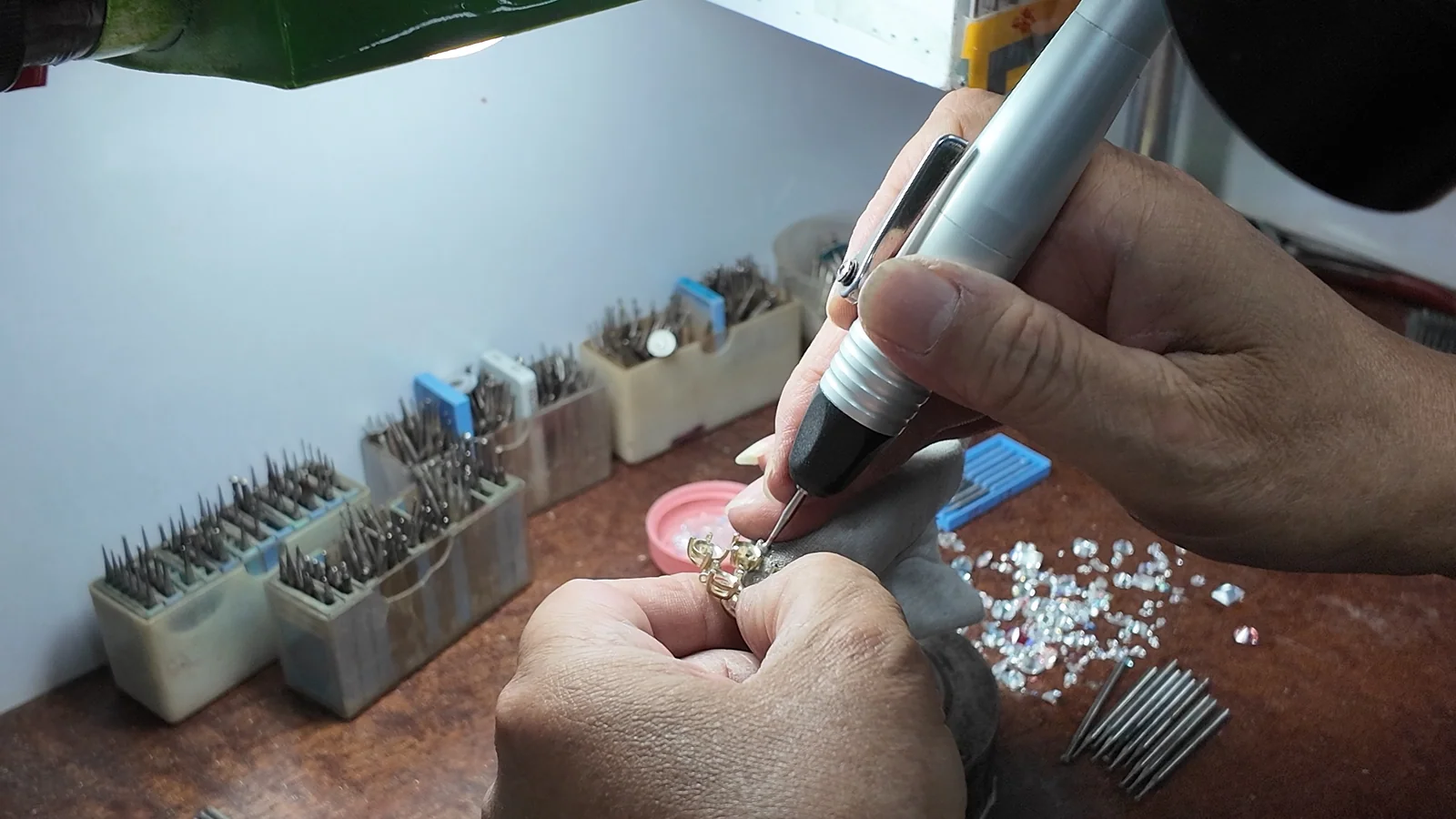
Prepare the seat and secure the stone with controlled contact, alignment, and symmetry.
Inspect centre, level, security, surface finish, dimensions, and the approved overall appearance.
Private Pure Solitaire Access
Tell us the stone, category, market, and target direction. NOVA will prepare a focused selection of available solitaire styles and the relevant development route.
A more precise wayto source
Private Series Access
Send your sourcing request to NOVA. Our team will follow up by email. Private library access will be added when the collection is available.